
Get In-Depth Details About How, When & What to Mulch With
Instant Synopsis:
- Mulch is an organic or inorganic material that’s layered on top of bare soil.
- The best type of mulch for depends on when you’re placing it and what it’s purpose is.
- Mulching a garden bed and mulching a lawn are two different things.
- Mulch and compost aren’t the same thing and have distinct benefits.
- Learn how to apply mulch correctly, the right time of year to do it in the Midwest, and the situations where it backfires.
- Kapp’s Green Lawn serves communities across the Midwest with expert lawn care and pest control.
What Is Mulch?
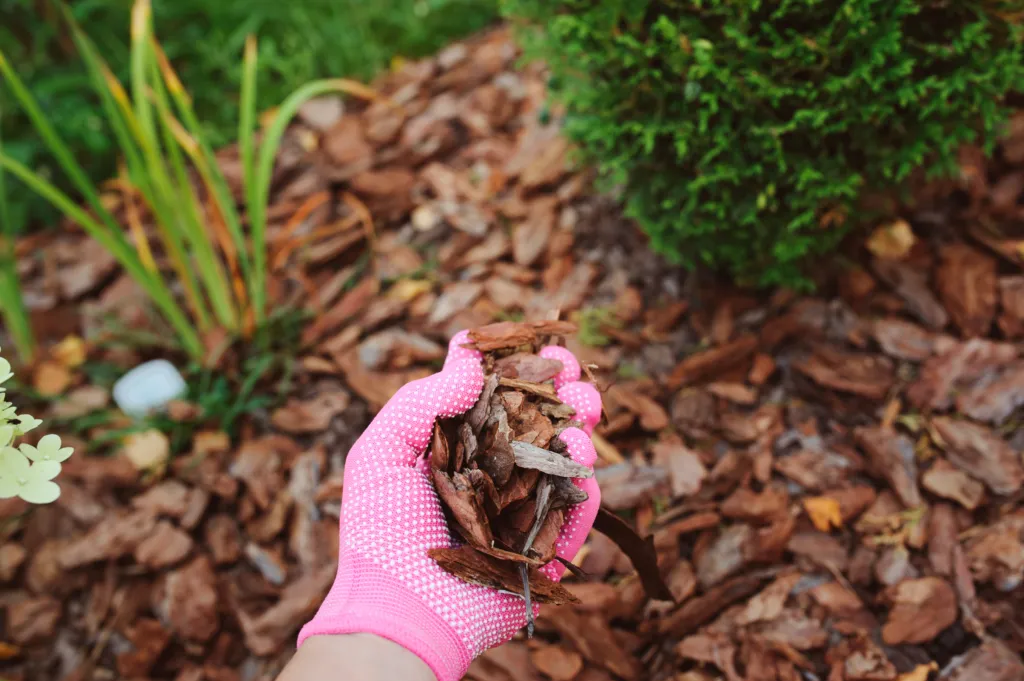
If you’re spreading something over your soil, that’s mulch. It can protect the soil or improve it, but mulch can be made from a wide range of things. Bark chips, straw, shredded leaves, gravel, pine needles, rubber, and finely cut grass clippings all qualify.
What matters is that it’s a layer, sitting on top of the soil and doing several jobs at once. Some types of mulch are organic, meaning they break down gradually and return something to the soil as they go. Others are inorganic, like stone, rubber, and landscape fabric. These are built to remain for years without decomposing.
What Does Mulch Do?
Retains soil moisture. Mulch slows evaporation from the soil surface. During dry Midwest summers when rain becomes unreliable and water bills climb, this matters a lot.
Suppresses weeds. Block the soil from sunlight and weed seeds lose their invitation to germinate. A two-to-four-inch layer won’t stop every weed, but it reduces how many get started.
Moderates soil temperature. In a climate with hard freezes and sweltering summers, that insulating layer between the soil and the air makes a real difference for roots trying to survive.
Reduces erosion and splash. Heavy rain hitting bare soil moves things around. Mulch absorbs that impact.
Protects root health. Surface roots are vulnerable to compaction and to contact with contaminated soil. A consistent mulch layer keeps that zone stable and undisturbed.
Makes everything look more intentional. A well-mulched bed has a finished quality that truly matters if you care how the yard looks.
What Is Mulching?
It’s the act of putting that material down. However, the word covers two pretty different processes depending on where you’re working.
In garden beds: Mulching means spreading bark, leaves, straw, or gravel over the soil surface around your plants. You’re covering exposed ground to protect it and improve it.
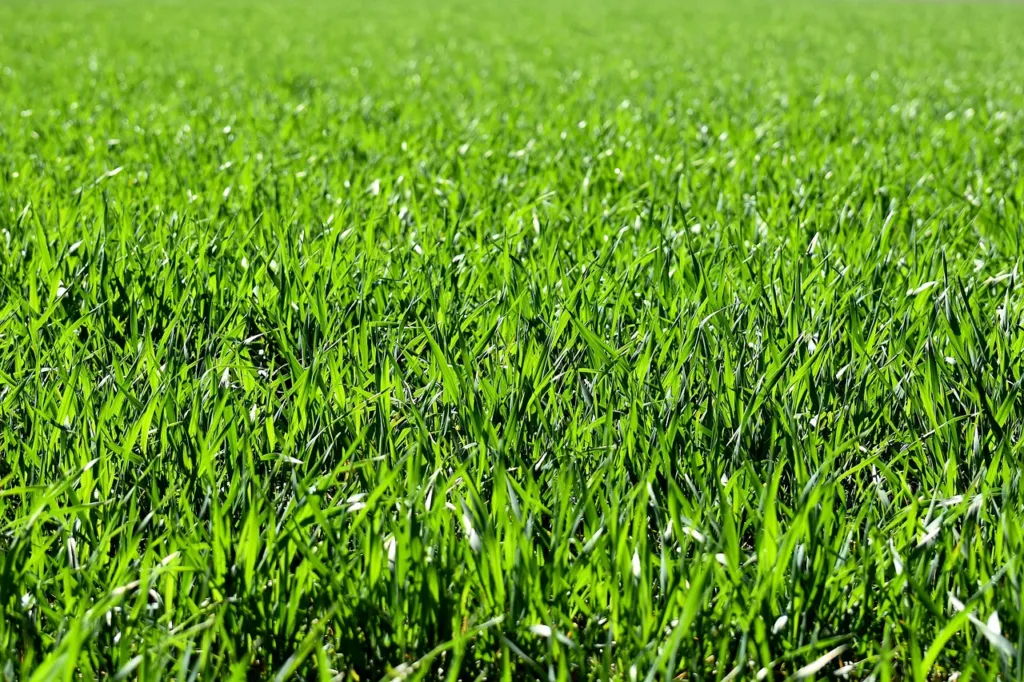
On the lawn: Mulching means finely chopping grass clippings and letting them fall back into the turf rather than collecting them. The clippings settle between grass blades, break down over the following days, and return nutrients to the soil without any extra step from you.
Common Types of Mulch & Where They Work Best
Bark and wood chips
A reliable choice around trees, shrubs, and foundation plantings. Coarser material lasts longer but makes digging more difficult.
Grass clippings
Best suited for lawns, compost piles, or out-of-the-way garden areas where fast nutrient return is the goal.
Shredded leaves
Free every fall, beneficial for vegetable and woodland gardens, and excellent for earthworm activity.
Straw and hay
A practical pick for vegetable gardens and garden paths. They reduce disease splash onto lower foliage and last through a growing season.
Pine needles
Resist compaction well and conserve moisture effectively. They may lower soil pH slightly over time.
Newspaper
Layered several sheets thick and moistened, newspaper suppresses weeds and helps regulate soil temperature.
Plastic and landscape fabric
Effective at blocking weeds and retaining moisture around foundations and shrubs. But it can trap heat, restrict air and water movement, and damage soil biology over time.
Gravel and stone
Well-suited for rain gardens and spots that need additional drainage or heat.
How Organic Mulch Improves Soil
On the surface, organic mulch offers moisture retention, acts as weed control, and temperature buffering. Underneath, decomposition is slowly enriching the soil. Microbes and insects breaking down the material and returning organic matter to the ground in a form plant roots can actually use.
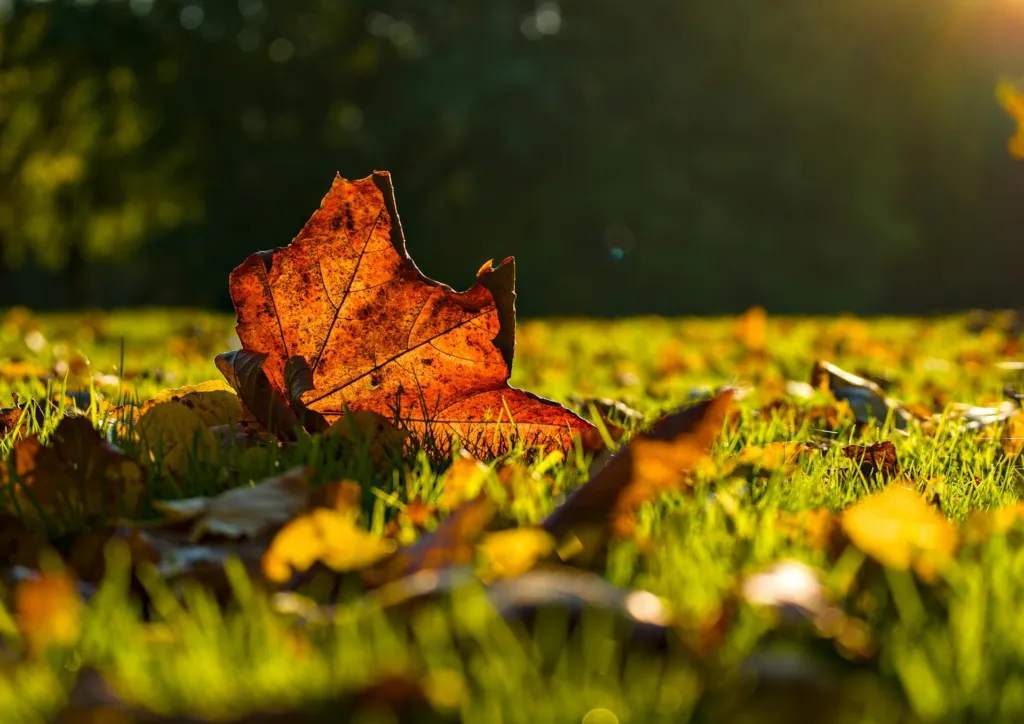
You can see a version of this process in any established woodland garden. Fallen leaves and plant debris pile up, break down, and gradually build richer soil without anyone doing anything. That accumulation is a system working as intended.
Benefits of Mulching a Lawn
Leaving grass clippings on the lawn instead of bagging them is one of the most straightforward improvements you can make to your tur.
Those clippings carry nitrogen, potassium, and other nutrients straight back to the root zone when they decompose. Over time, that steady return of organic material builds stronger roots, denser growth, and better moisture retention. It also eliminates the time spent bagging and disposing of clippings week after week.
Organic vs. Inorganic Mulch
Organic Mulch
Bark, wood chips, pine needles, grass clippings, shredded leaves, straw, hay, or newspaper. Decomposition of these materials means periodic replenishment, but it also means a steady contribution of organic matter to the soil beneath.
Organic mulch is generally the better pick for vegetable gardens and any planting area where long-term soil health is a priority. It suppresses weeds effectively, though not permanently, as it thins out and needs refreshing.
Inorganic Mulch
Gravel, stone, rubber chips, plastic, and landscape fabric. These decompose slowly or not at all, making them the long-term option for weed control and moisture retention around structures, foundations, and plants that prefer rocky or dry conditions.
They contribute nothing nutritionally to the soil. And once inorganic mulch is in place, removal is a real project, so it pays to be deliberate about where you use it.
How to Apply Mulch in a Garden
- Pull existing weeds, clear away any old or deteriorating mulch, and level the soil before laying anything new.
- Aim for two to three inches of depth. Go shallower and the benefits diminish. Go deeper and you risk suffocating roots, blocking water, and preventing air from reaching the soil.
- Keep mulch away from tree trunks and plant stems. Piling it against bark is one of the most common mulching mistakes as it traps moisture and can lead to rot and disease.
- Leave some soil bare. Ground-nesting bees depend on exposed soil, and plants that spread by reseeding won’t be able to if the ground is entirely covered.
When Is the Best Time to Mulch?
For garden beds in the Midwest, early-to-mid spring is the ideal window. Late spring and early fall both work as well.
Applying mulch too early, while the ground is still cold, can delay the soil warming that plants need to break dormancy. Summer and fall applications still provide real benefits for moisture retention and soil protection, even if weed suppression isn’t quite as thorough.
For lawns, wait until mid-to-late spring when grass resumes steady, consistent growth after winter. Continue through summer during active growing periods, and an early fall session can return nutrients before the lawn goes dormant. Once growth slows noticeably and the lawn stays wet for longer stretches, switch back to conventional mowing.
How to Mulch Your Lawn
- Mow once or twice a week during active growth so clippings stay short and manageable
- Follow the one-third rule: Never remove more than a third of the grass height in a single session
- Only mulch when grass is dry since wet clippings clump, clog the deck, and pile up on the surface
- Use a mower with a mulching function, or add a mulching kit that includes a specialized blade and a discharge plug
- Keep blades sharp and clean the deck regularly for even distribution
When Mulching Isn’t the Answer
Mulching works well under most conditions, but a few situations call for a different approach.
Wet or heavily shaded lawns. Damp clippings stick together, clog the mower deck, and clump rather than dispersing. Those piles block light and airflow and can lead to fungal problems or yellowing.
Overgrown grass. Too much clipping volume at once creates a thick mat that smothers the turf beneath. Mow conventionally and bag the first pass, then return to mulching once the height is back under control.
Inconsistent mowing. Lawn mulching depends on regularity. Miss a few weeks and clippings become too long and heavy to decompose usefully. If weeds have gone to seed in the interim, mulching risks distributing those seeds across the lawn.
New or struggling lawns. Young grass needs time to establish before mulching. Moss should never be mulched.
Potential Disadvantages of Mulching
- Thick applications can block seed germination and prevent desired plants from spreading naturally
- Some materials disturb ground-nesting bees and other beneficial insects that rely on exposed soil
- Woody, high-carbon mulches can temporarily pull nitrogen out of the soil during decomposition
- Mulch provides shelter for slugs and similar pests
- Synthetic options like plastic can damage soil organisms over time
- The wrong material, too much depth, or direct contact with plant stems can actively harm plants rather than help them
FAQs on Mulch
-
Is mulch necessary in every garden?
No. Some plants and conditions do better with exposed soil or a mineral surface. Mulch is most valuable wherever moisture retention, weed pressure, and erosion are consistent concerns.
-
Does lawn mulching cause thatch?
Generally not. Finely cut clippings break down quickly with consistent mowing. Thatch accumulates from dead roots and stems, not from grass clippings.
-
Can leaves be mulched into the lawn?
Light, dry leaves can be finely cut and left in the grass without issue.
-
Does mulching spread weeds?
Regular mowing prevents most weeds from reaching the flowering and seeding stage. The risk comes from mulching overgrown areas where weeds have already set seed.
-
How much mulch should I use?
Two to three inches for garden beds. Lawn clippings should form a thin layer that settles into the grass and disappears within a day or two.
Love Your Lawn Even More
Now that you know the answer to the question, “What is mulch?” you can really enhance your yard. Want to go even further? Reach out to the lawn care experts at Kapp’s Green Lawn! We’ll build a beautiful, green, healthy lawn with strong roots and thick turf using less fertilizer and pesticides.
Kapp’s Green Lawn is here to help! We proudly serve communities in the Midwest, ensuring high-quality lawn care services in these areas:
- Cleveland, OH
- Fort Wayne, IN
- Indianapolis, IN
- Pittsburgh, PA (eastern)
- Pittsburgh, PA (western)
- St. Louis, MO