
Snow Mold: Identification, Prevention & Treatment Guide
Posted on January 19, 2026
It Usually Arrives In Spring, But Where Does It Come From?
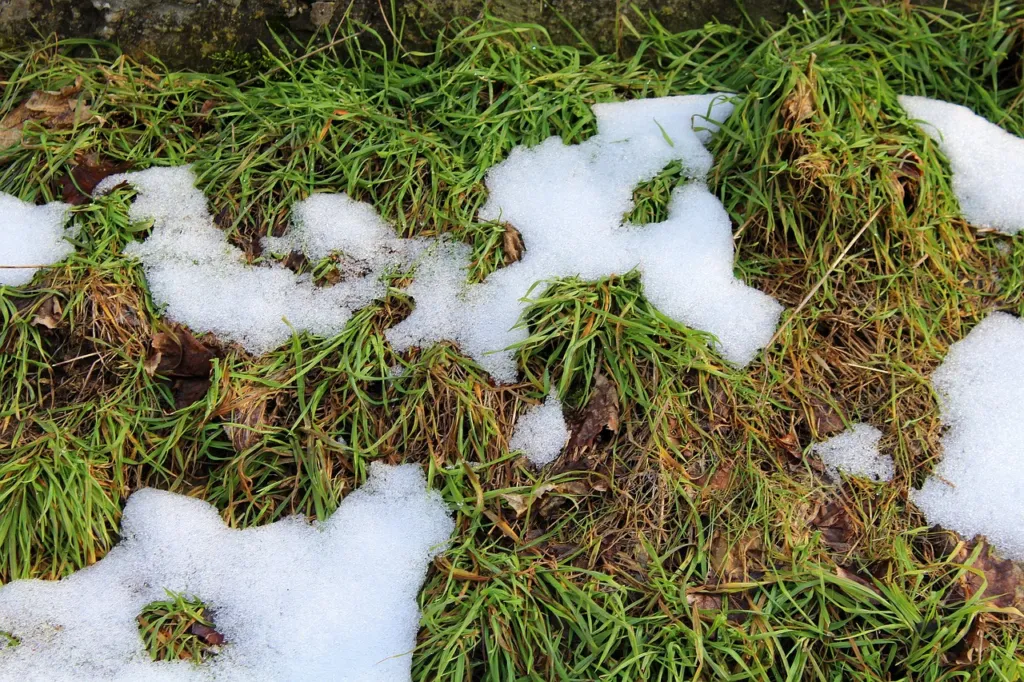
Snow mold is one of those lawn problems that catches people off guard. Your yard is fine in fall. Then snow blankets everything for months and you suddenly have weird patches all over what used to be perfectly good grass.
What happened and why? If you’re dealing with this every spring, something else is going on beneath the surface. It is your fall lawn prep or something else? Keep reading to learn all about this cold-weather grass fungus and how to prevent and eliminate it from the experts at Kapp’s Green Lawn.
What Is Snow Mold?
Despite the name, snow mold isn’t actually mold in the traditional sense. It’s a cold-weather fungal disease caused by specific pathogens that stay dormant in your soil nearly all year long.
It “wakes up” when temperatures hover between 32 and 45 degrees Fahrenheit. Because melting snow creates the perfect moist environment for it. That’s why it usually happens as winter transitions to spring. You might notice the actual mold itself, or more commonly, those telltale straw-colored patches of damaged turf.
Timing is everything. Snow mold becomes most noticeable after snow melts, so it catches homeowners by surprise. One day your lawn is buried under snow, the next it’s exposed with these strange patches you’ve never seen before.
Types of Snow Mold
Not all snow mold is the same. There are two main types. Understanding the difference can save you a lot of time, money, and unnecessary worry.
Gray Snow Mold
This is the milder form of snow mold. You’ll notice gray or white circular patches across your lawn. They may even look silver in the right light. This variety requires actual snow cover to thrive, which makes it pretty predictable in northern climates.
The good news? Gray snow mold is primarily cosmetic. It affects the grass blades themselves but typically leaves the roots and crowns intact. Your lawn might look ugly for a few weeks, but it’ll often recover on its own with time, sunshine, and proper airflow.
Pink Snow Mold
Despite the name, pink snow mold shows up in shades of pink, rust, or reddish-brown. It’s also more aggressive than its gray counterpart. Because pink snow mold goes deeper, it can actually kill the crowns and roots of your grass.
In fact, it doesn’t even need snow cover to cause problems. Extended periods of cool, wet conditions in early spring can trigger it. This means lawns in transition zones or areas with wet springs can deal with pink snow mold even after mild winters.
The damage from pink snow mold often requires intervention, such as overseeding and repairing bare spots. Left alone, those damaged areas might not recover naturally, and you’ll end up with permanent thin patches come summer.
How Lawn Care Professionals Identify Snow Mold
Trained technicians look for more than just discolored patches.
- Shape and size. Snow mold typically appears in circular or irregular patterns, ranging from a few inches to several feet in diameter. The grass itself looks straw-colored, matted, and crusty.
- Color = severity. Those gray or white patches? Nothing to really worry about. Pink, rust, or reddish-brown? That deserves much more concern.
- Location patterns matter. Pros know to check areas where snow accumulated heavily (near driveway snow piles, along north-facing shaded slopes, anywhere with poor drainage)..
- Timing. If you see these symptoms within days or weeks of snow melt, it’s probably snow mold. The fungus has had weeks or months to work, and it’s only revealing itself now that spring has arrived.
The Most Susceptible Types of Grass?
Cool-season grasses take the brunt of snow mold pressure, but not all of them suffer equally.
Bentgrass is at a high risk. Golf courses with bentgrass greens spend considerable resources fighting snow mold each year because this grass type is so vulnerable. For residential lawns, if you’ve got bentgrass, you’re practically guaranteed to see snow mold after significant snow cover.
Kentucky bluegrass falls into the moderate risk category. It can develop snow mold, but it also has decent recovery potential. That’s because its underground stems, called rhizomes, help it spread and fill in damaged areas.
Perennial ryegrass shows similar susceptibility to Kentucky bluegrass. The main difference is recovery speed. Ryegrass can’t spread laterally as aggressively, so damaged areas take longer to fill in naturally.
What Causes Snow Mold?
The ideal conditions include extended snow cover before the ground fully freezes. When snow falls on unfrozen, moist soil, it creates a perfect spot for fungal growth. Moisture from melting and refreezing cycles just makes it worse.
But weather alone doesn’t tell the whole story. The condition of your lawn going into winter makes a massive difference. Excess thatch and long grass can trap moisture and leaf debris weakens the grass and soil by blocking light.
Of course, poor drainage and compacted soil don’t help either. Water will just sit there. Again, it’s something fungi absolutely love. And if you’re repeatedly piling snow in the same spot? That area’s probably getting hit with snow mold.
Professional Snow Mold Prevention
Mowing & Yard Maintenance
- Gradual height reduction before winter is key. Lower the mowing height incrementally over your last few mows of the season. The goal is to have grass at about 2 to 2.5 inches going into winter.
- Consider bagging your clippings during that final fall mow. Normally, leaving clippings on the lawn returns nutrients to the soil, which is great. But that last mow before winter? Bagging prevents excess organic material from sitting on the soil surface and trapping moisture.
- Don’t let wet leaves accumulate. Anything that traps moisture is bad news for your grass. If you’ve got trees dropping leaves late into fall, stay on top of removal.
- After snowfall, be mindful of where you’re piling snow when you shovel your driveway. Try not to create massive, concentrated piles. Spread it out if possible.
Aeration & Thatch Management
- Fall aeration might be the single most effective practice for preventing snow mold. It breaks up compaction, improves water infiltration, enhances oxygen exchange, and helps break down excess thatch.
- As for thatch, keep it under three-quarters of an inch. Check it by cutting a small wedge out of your lawn and measuring the spongy layer between grass blades and soil.
Fertilization Best Practices
- Avoid late-fall nitrogen spikes. If you’re fertilizing in fall (which you should be), focus on balanced, slow-release formulas that promote root growth without pushing excessive top growth.
- Be cautious with the term “winterizer” generally. What you actually need in fall is potassium-heavy formulation that improves cold tolerance.
Preventative Fungicide Programs
- For lawns with recurring snow mold issues, preventative fungicide applications work well. But timing is absolutely critical. These products must go down before it snows, otherwise, you can’t take action until snow mold appears.
- This is definitely an area where professional application is easier than DIY, especially for high-value lawns or properties with chronic snow mold problems.
Drainage & Soil Health
- Make sure your yard has proper drainage. Walk your property after a heavy rain and note where water pools or drains slowly. These areas are breeding grounds for snow mold and will require grading improvements, installation of drainage solutions, or even soil amendments to improve percolation.
- Soil pH matters too. Most cool-season grasses prefer slightly acidic to neutral pH (6.0-7.0). When pH drifts too far outside this range, grass becomes stressed and more susceptible to disease.
What to Do When Snow Mold Appears
Once symptoms are visible, fungicides won’t help. So what should you do? The best immediate action is light raking to loosen matted grass. This increases airflow and helps the turf dry out, which stops further fungal activity.
Then, just wait. Monitor regrowth over several weeks. Gray snow mold cases will often show significant recovery within a couple weeks of consistent sunshine and drying conditions.
Avoid aggressive actions. Your first instinct might be to throw down fertilizer to “help” the grass recover faster, but that can backfire. Damaged turf needs to focus on re-establishing healthy growth patterns first.
Lawn Repair After Snow Mold Damage
Gray snow mold typically recovers naturally. Give it time, maintain normal spring lawn care practices, and you’ll likely see those damaged areas fill in as temperatures warm and growth accelerates.
Pink snow mold damage requires a more active approach. Once you’ve confirmed the grass isn’t recovering, it’s time to remove the dead turf, prepare the soil, and overseed those bare areas.
Professional seeding services ensure proper timing and coverage. Overseeding sounds simple, but getting consistent germination requires proper seed-to-soil contact, appropriate seed selection, adequate moisture management, and protection from birds and washouts.
Tired of Snow Mold Every Spring?
If you’ve dealt with snow mold multiple years in a row, that’s your lawn’s way of asking for help. A comprehensive lawn care program that addresses the underlying issues will pay dividends year after year.
Snow mold is just one of many fungal diseases that target stressed, poorly maintained turf. Ready to enjoy long-term lawn health? Reach out to Kapp’s Green Lawn today! We proudly serve communities in the Midwest, ensuring high-quality lawn care services in these areas:
- Cleveland, OH
- Fort Wayne, IN
- Indianapolis, IN
- Pittsburgh, PA (eastern)
- Pittsburgh, PA (western)
- St. Louis, MO