
Is Dollar Spot Fungus Ruining Your Lawn?
Posted on March 3, 2026
Find Out How to Stop This Serious Grass Disease
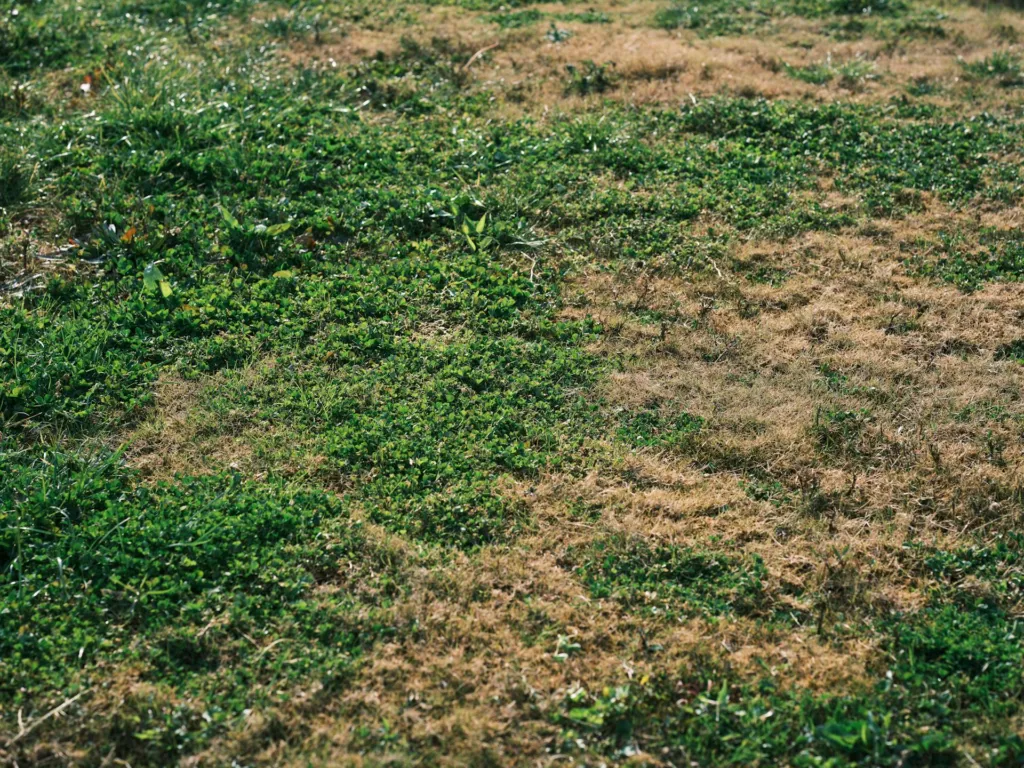
Tan-colored, bleached circles suddenly appearing all over your yard? There’s one primary suspect: dollar spot fungus. It’s a widespread lawn disease in the Midwest that destroys your grass’s appearance.
Actually, more resources get invested in treating this single turf problem than any other fungal issue. It’s remarkably common and incredibly frustrating to manage. But don’t start stressing out just yet. Let the professionals at Kapp’s Green Lawn explain what’s genuinely happening to your grass and what realistic steps you can take to fix it.
What Is Dollar Spot Fungus?
Dollar spot is one of the most common lawn fungus diseases. It’s triggered by a fungal pathogen called Clarireedia jacksonii. This particular disease targets your grass’s leaf blades rather than the roots or crowns, which is actually encouraging news. It means your lawn has the potential to recover with appropriate care.
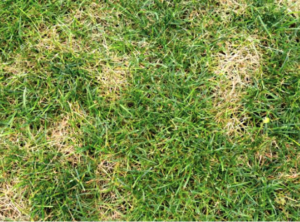
The name “dollar spot” originates from how the damage appears on mowed turf. You’ll notice circular, silver dollar-sized spots (1 to 2 inches in diameter) that develop a bleached tan color. These individual spots can blend together into larger, straw-colored patches that genuinely thin your grass and create perfect openings for weeds to establish themselves.
Dollar spot will attack cool-season types like Kentucky bluegrass, fescues, and perennial ryegrass. But it’s equally happy to wreck warm-season varieties like Bermuda and zoysia, too. So if you’ve got a lawn, you’re potentially vulnerable.
Timing & Location of Dollar Spot in the Midwest
Dollar spot really thrives in its specific weather window, particularly temperatures ranging between 60°F and 90°F, paired with humid days and cool, dewy nights. Consequently, you typically see it from late spring through early fall, with outbreaks frequently peaking in late summer when all those environmental factors align perfectly.
This lawn fungus absolutely loves extended moisture sitting on grass blades combined with depleted nitrogen levels in the soil. When you’re watering your lawn and that water only dampens the leaf surfaces (instead of penetrating deep into the root zone), you’re establishing exactly the conditions this fungus craves.
Dollar spot spreads primarily through mycelium, or fungal threads, on previously infected plants. The most effective carriers? Grass clippings. Even walking around your yard after mowing can distribute it.
It survives winter as structures termed pseudosclerotia, buried within dead plant debris. When temperatures start rising in spring, those structures reactivate and the whole cycle begins again. In most areas, the pattern runs from early May straight through the end of October.
How to Know It’s Actually Dollar Spot
The clearest indicator is those distinctive patches: small, straw-colored, or bleached spots approximately the size of a silver dollar. Upon closer examination, you’ll spot tan lesions stretching across the blade in an hourglass configuration. They’re bordered with a reddish-brown edge.
Another clue you’re dealing with dollar spot fungus? White, cobweb-like material on grass during dewy mornings. That’s the mycelium becoming apparent when the grass is damp. As sunshine arrives and the blades dry out, it vanishes—so you could easily miss it if you’re not checking early.
What Makes Dollar Spot Show Up?
Thatch accumulation and soil compaction. Reduced air and water movement creates that dry-soil-yet-moist-canopy environment dollar spot loves.
Limited air circulation. Dense shrubbery, low-hanging tree branches, and shade trap moisture, promoting lawn diseases.
Afternoon or evening irrigation. Watering during these hours keeps grass blades wet for prolonged durations.
Insufficient nitrogen levels. Under-fertilized lawns are most susceptible because the grass isn’t growing vigorously enough to outpace the infection.
Mowing stress. Cutting your grass excessively short, using dull blades, or scalping the lawn weakens grass and makes fungal invasion much easier.
10 Ways to Combat This Midwestern Lawn Fungus
- Modify Your Watering Schedule
Water thoroughly but infrequently, targeting about 1 inch weekly, during early morning hours (between 5 and 10 a.m.).
Watering at this time allows the soil to absorb moisture while permitting grass blades to dry rapidly as sunrise occurs. Keep in mind, you want moisture reaching the root zone, not remaining on leaves.
And definitely eliminate those shallow evening sprinklings. Sure, sometimes that’s your only available time to turn on the sprinkler. But you’re essentially rolling out the welcome mat for dollar spot.
- Adjust Your Mowing Height
Taller grass blades provide shade for soil, maintain superior moisture in the root area, and generate an environment less favorable for fungus. Plus, taller grass is simply healthier and more resilient overall.
Important reminder: Never eliminate more than one-third of the grass blade length in a single cutting. And maintain sharp mower blades. Dull blades rip grass rather than cutting cleanly, and those torn edges become more vulnerable to infection.
- Apply Nitrogen to Your Lawn
Give your grass a boost with slow-release nitrogen fertilizer during late spring to support growth through early summer, when dollar spot outbreaks frequently begin. Continue with light, consistent nitrogen applications throughout the growing season at rates recommended for your specific grass variety.
Healthy, adequately nourished grass can actually outgrow the disease. Undernourished lawns? They fail to recover and simply deteriorate progressively.
- Remove the Dew
If you’re genuinely serious about prevention, mow early morning to eliminate dew-covered grass tips. On larger properties, some homeowners even drag a hose or rope across the lawn to knock dew off blades, or roll something lightweight across the yard to absorb the moisture. These methods may seem basic, but they’re genuinely effective.
- Allow Your Soil to Breathe
Annual lawn aeration reduces compaction and enhances water and nutrient penetration. Otherwise, the elements your grass requires to flourish can’t reach where your grass can actually utilize them.
Also, if your thatch layer surpasses half an inch, dethatch to enhance airflow and drainage. Again, you don’t want anything obstructing water and nutrients from reaching the roots.
- Enhance Access to Air and Sunlight
Trim low tree branches and thick shrubs that shade your lawn and can create a damp atmosphere over the grass. Better air circulation helps dew and irrigation dry more rapidly, disrupting the ideal fungal conditions.
- Select the Right Grass
When overseeding time arrives or lawn renovation becomes necessary, choose a grass variety with enhanced resistance to dollar spot disease. Not all grass is created equal—some varieties have been specifically bred to resist common lawn diseases like this one.
You should also determine the appropriate grass type for your region. If you’re fighting your climate by attempting to grow cool-season grass in warm areas or the opposite, you’re just complicating everything unnecessarily. Match your turfgrass selection to your geographic location, soil conditions, landscape characteristics, and how you actually use your lawn.
- Prevent the Spread
When you’ve got active dollar spot, you definitely don’t want to facilitate its spread. Rather than mulching grass clippings back into the lawn, bag or collect those from infected zones. Clean your mower deck and equipment after use, particularly if you’re transitioning from an infected section to a healthy area.
- Choose a Fungicide Treatment
Hands down, the two most effective fungicides for dollar spot fungus are chlorothalonil and propiconazole. Here’s what lawn care professionals understand but most homeowners miss: You can’t simply spray the identical fungicide repeatedly.
The fungus develops resistance to it. So for long-term control, rotation is absolutely essential! Typically, you’ll reapply every 14 to 28 days during high-risk periods of the year.
- Contact Kapp’s Green Lawn
When lawn fungus is overtaking your yard, hiring a professional lawn care company will absolutely pay off over time. It’ll save you time, money, and plenty of headaches, since we know exactly which products to use, when to apply them, and how frequently to rotate them for optimal results.
FAQs for Dollar Spot Disease
What is the best fungicide for dollar spot?
Chlorothalonil and propiconazole are two of the strongest options. Just make sure to rotate them to prevent resistance from developing.
Is fungicide always necessary?
If you catch dollar spot fungus early and adjust your maintenance practices right away, you can often suppress the disease without resorting to chemicals. However, if it persists, a fungicide application will probably be required.
Will dollar spot disappear on its own?
Not typically. Active treatment helps limit the spread significantly. To prevent it from returning, maintain proper nitrogen levels, water early in the morning, mow at the right height, and reduce thatch buildup.
Will my lawn actually recover from this lawn fungus?
Absolutely! Since dollar spot attacks the leaf blades rather than the roots or crowns, your lawn can definitely bounce back. Most lawns start showing visible improvement within 2 to 4 weeks after you implement control measures, add appropriate nitrogen, and maintain proper mowing height.
Time to Contact You Local Lawn Experts!
DIY efforts can only accomplish so much. When you want to eliminate dollar spot (and other lawn care diseases), contact the experts at Kapp’s Green Lawn. With skilled technicians and the highest quality materials, we’ll get your lawn looking its absolute best.
We proudly serve communities in the Midwest, ensuring high-quality lawn care services in these areas:
-
- Cleveland, OH
- Fort Wayne, IN
- Indianapolis, IN
- Pittsburgh, PA (eastern)
- Pittsburgh, PA (western)
- St. Louis, MO