
The Importance of Crabgrass Preventer In the Midwest
Posted on March 27, 2026
Discover Essential Details About Eliminating Crabgrass on Your Lawn
Few things sting quite like watching a lawn you’ve poured time and money into get overrun by a stubborn, spreading weed. Crabgrass has a way of showing up uninvited and refusing to leave. Getting rid of it is possible if you’re willing to do more than spray a bit and cross your fingers.
Here’s what actually works: the right crabgrass preventer, at the right moment, on a lawn that’s been set up to fight back. The team at Kapp’s Green Lawn is breaking down exactly what you need to know.
What Is Crabgrass?
Crabgrass is classified as a summer annual. It sprouts in spring, thrives through the hottest months of the year, and gets killed off by the first hard freeze. That sounds manageable, right? Of course, one mature plant can shed thousands of seeds before it dies. And those seeds just lie dormant in your soil all winter, ready to cause the same headache come April.
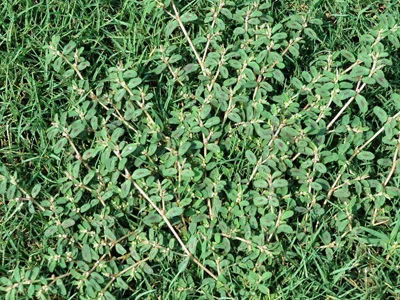
The weed gets its name from the way it grows: low and flat, radiating outward from a single center point. It’s like a crab’s legs spreading across the ground. Because it resembles actual grass at first glance, it often goes unnoticed until it’s already taken over a patch of your lawn.
Treating the wrong weed can cause real damage to your turf. So before you reach for anything, take a close look at what you’re dealing with. Crabgrass has some pretty reliable giveaways:
- A lighter, yellowish-green color
- Stems that grow longer than surrounding turf
- Broad, flat blades
- A low, sprawling growth pattern that fans outward
- Leaves and stems covered in fine, visible hairs
Still not sure? Photograph it and bring it to a lawn care professional. Crabgrass has look-alikes, and misidentification can send you down the wrong treatment path.
Main Options for Crabgrass Pre-Emergent
The most effective way to manage crabgrass is to stop it from sprouting in the first place. That’s where pre-emergent herbicide comes in. It forms a protective layer in the soil that blocks germinating seeds from ever establishing roots.
The two most popular options:
Liquid pre-emergents work faster and tend to give more uniform coverage across the lawn. The trade-off is that they require sprayer equipment and more careful, consistent application. Professional lawn care programs frequently prefer liquid formulations for this reason.Granular pre-emergents are the go-to DIY option for most homeowners. They’re straightforward to apply with a broadcast spreader and widely available. One thing to keep in mind: they require water to activate. If you put them down before rain or irrigation, the product won’t penetrate the soil properly.
Granular pre-emergents are the go-to DIY option for most homeowners. They’re straightforward to apply with a broadcast spreader and widely available. One thing to keep in mind: they require water to activate. If you put them down before rain or irrigation, the product won’t penetrate the soil properly.
When to Apply Crabgrass Pre-Emergent
Applying a pre-emergent crabgrass herbicide is essential for weed control. This creates a barrier in the soil that prevents crabgrass seeds from germinating and establishing roots. The right timing is crucial.
Soil temperature is your most accurate guide. Once the soil at a two-inch depth reaches 55–60°F, crabgrass seeds begin to germinate. That’s your cue to act. A basic soil thermometer, available at most garden centers, gives you a precise reading and removes all the guesswork.
Prefer to let nature tell you when to move? Two plants are surprisingly reliable indicators:
- Forsythia (the bright yellow flowering shrub common throughout the Midwest) finishes blooming a few weeks before crabgrass germinates, particularly in USDA Zones 5 to 8.
- Lilacs also bloom close to the actual germination point of crabgrass in USDA Zones 3 to 7.
Timing also depends on where you live. In the Midwest and transition zones, the typical target window is April. Further north, where soils take longer to warm up, late April through early May is often more appropriate. Warmer southern climates may see germination as early as February or March, with a longer overall weed season.
One more nuance worth remembering is that your lawn isn’t perfectly uniform. Areas in full sun heat up faster than spots under trees or on a north-facing slope. The south side of your property may need treatment before the shaded backyard.
The Benefits of Split Application
Rather than using all your pre-emergent in one shot, consider splitting it across two applications in spring. Why? Because crabgrass doesn’t germinate all at once. A single application, even a well-timed one, may not hold long enough to cover the full germination window.
The approach looks like this:
- First application: when soil hits around 50–55°F, at your earliest timing cue
- Second application: 6–8 weeks after the first
This strategy significantly extends your coverage window and is common practice in professional lawn programs throughout the Midwest.
When to Avoid Using Pre-Emergent
Pre-emergent herbicide blocks germination broadly, not just for crabgrass. That means it will also prevent any grass seed you put down from sprouting. Keep that in mind before you apply.
Seeding and pre-emergent don’t mix. If overseeding is on your spring to-do list, skip the pre-emergent this season. Put your energy into thickening the turf through seeding instead. Plan for fall aeration to address weed pressure through better coverage.
New lawns need time, too. If you’ve recently seeded or installed sod, hold off on pre-emergent until the lawn is well established. Applying too early can interfere with root development.
7 Reasons Why Crabgrass Preventer Fails
Applied crabgrass preventer and still ended up with a weed problem? It typically happens because of one of these reasons:
- Not watered in properly. Granular products need moisture to activate and reach the soil. Without it, they just sit on the surface.
- Soil disturbed after application. Aeration, dethatching, or digging after applying pre-emergent physically breaks the barrier it creates.
- Incorrect rate or dilution. Under-applying is extremely common with DIY applications.
- Uneven spreader coverage. Skipping areas or missing passes leaves gaps crabgrass will exploit. Calibrate your spreader and overlap your rows slightly.
- Underlying turf problems. Compacted, stressed, or thin turf lets crabgrass gain a foothold no matter how well you time your preventer.
- Too early. Product efficacy fades over time. An early application may have worn off before the main germination wave hit.
- Too late. Seeds were already up and growing. Pre-emergent only works before germination, not after.
Already Have Crabgrass? Here’s How to Kill It
Maybe you moved into a property that came with a weed problem built in. Either way, post-emergent control is still an option.
The Best Time to Treat Established Crabgrass
Younger plants respond much better to treatment than mature ones. If you can spot and treat early growth in late May or early June, you’re in a far better spot than if you’re dealing with dense, fully rooted mats by late summer.
Post-Emergent Product Options
- Quinclorac is the most commonly used selective post-emergent for crabgrass control. Selective means it goes after the weed without damaging your desirable turf. But label requirements vary by grass type, so verify before you spray.
- Fenoxaprop is another selective choice, though it’s used primarily by lawn care professionals rather than sold broadly in consumer formulations.
- Glyphosate is the scorched-earth approach. It kills everything it contacts, your lawn included. Reserve this for targeted spot treatment when you’re fully prepared to reseed the affected area.
Tips for Better Results
Coverage is critical. Crabgrass hugs the ground and spreads wide, so you need the herbicide to make real contact with the leaf surfaces, not just the center of the plant.
Avoid mowing for at least 48 hours before and after application, since cutting reduces the leaf surface available to absorb the treatment.
Lastly, most mature infestations will require a second application 7–10 days after the first.
Crabgrass Control by Seasons
Spring
Watch your soil temperature and get your pre-emergent down before seeds start germinating. If spring is warm and extended, plan for a split application. Start the season mowing at a higher height to give your turf a competitive edge right from the start.
Summer
Spot-treat any crabgrass that breaks through your prevention barrier, and do it early. Keep up with deep, infrequent watering and resist the temptation to scalp the lawn when it looks rough during heat stress.
Fall
For cool-season lawns in the Midwest, fall is arguably the most important time in the entire crabgrass management calendar. Overseed thin and bare spots to fill in the gaps crabgrass would otherwise claim next spring. Aerate to relieve compaction, fertilize to build root strength, and set your lawn up to be thick and competitive when the weeds come calling in April.
Healthy Lawn Habits That Make Crabgrass Less Likely
No crabgrass preventer works well on a lawn that’s already struggling. Your ultimate goal is to create a lawn dense and healthy enough that crabgrass has nowhere to go.
Mow at the right height. Taller grass shades the soil, keeping the surface cooler and less hospitable to germinating weed seeds. It also encourages stronger, deeper root development. Consistently cutting too short is one of the fastest ways to invite weeds in.
Water on a deep, infrequent schedule. Shallow, frequent watering keeps moisture near the surface. That’s not good. Aim for about an inch of water per week in fewer, deeper sessions to push turf roots downward and away from that surface zone.
Aerate regularly. Compacted soil is hard on grass but not on crabgrass. Annual aeration opens the soil profile, improves drainage, and allows water and nutrients to reach the root zone where they’re actually useful.
Test your soil. pH imbalances or nutrient deficiencies undermine everything else you do. A soil test tells you precisely what needs to be corrected.
Consider corn gluten meal as an organic alternative. It’s slower and less consistent than synthetic pre-emergents, and it genuinely takes multiple seasons of application to build up efficacy. But it’s a legitimate organic option with the added bonus of providing some nitrogen to the soil.
FAQs About Crabgrass
-
Can I apply fertilizer and pre-emergent at the same time?
In many cases, yes.
-
Can I overseed and use pre-emergent at the same time?
No. Most pre-emergents will block your grass seed just as effectively as they block crabgrass.
-
Will pre-emergent help if crabgrass is already growing everywhere?
Unfortunately, no. Pre-emergent only works before germination.
-
Does mowing spread crabgrass?
It can. Once crabgrass has produced seed heads, a mower can scatter those seeds to other parts of the lawn.
-
Does crabgrass die off completely in winter?
Yes. However, the seed bank doesn’t die, so those seeds will be right there waiting come spring.
Want to Kill Crabgrass? Call Us!
Effective crabgrass control in the Midwest comes down to timing, the right product, and a lawn that’s healthy enough to hold its ground. The pre-emergent window is narrow, it shifts depending on your location, and missing it by a week or two can cost you the entire season.
Ready to stop fighting this battle alone? Contact the lawn care professionals at Kapp’s Green Lawn! With skilled technicians and the highest quality materials, we’ll get your lawn looking its absolute best.
We proudly serve communities in the Midwest, ensuring high-quality lawn care services in these areas:
- Cleveland, OH
- Fort Wayne, IN
- Indianapolis, IN
- Pittsburgh, PA (eastern)
- Pittsburgh, PA (western)
- St. Louis, MO